Choosing the right garage for your vehicle is more than a simple decision—it’s a strategic move that impacts your car’s long-term health. Do small, family-run shops offer the personalized care that keeps your classic or aging car reliable, or do large chains with advanced diagnostics and nationwide warranties provide the consistency and technological edge needed for modern vehicles? This tension between personalized service and technological precision raises questions about trust, expertise, and continuity. While independent garages foster close relationships and tailored maintenance, big chains emphasize efficiency and standardization across locations. Both have strengths that can extend your car’s lifespan if they prioritize certified technicians, transparency, and quality care. As vehicle technologies evolve, the ability of garages to adapt—whether through specialized training or cutting-edge tools—will determine their future relevance. Ultimately, the best choice balances trust, technology, and a commitment to your vehicle’s long-term well-being, prompting drivers to consider which approach aligns with their needs.
Choosing the Right Garage: Your Long-Term Vehicle Partner
Choosing the right garage for your vehicle isn’t just about convenience or cost—it’s a decision that can shape how well your car performs over the years. Many drivers underestimate how much the quality of service and the expertise of technicians influence long-term vehicle health. A good garage isn’t just a place to fix things; it’s a partner in maintaining your car’s reliability, safety, and value over time.
The decision often comes down to two main options: small, family-run garages or large, nationwide chains. While small shops tend to focus on personalized service and building close relationships with their customers, big chains emphasize consistency and efficiency, often backed by advanced diagnostic technology. Both can deliver excellent care, but the choice depends on your vehicle’s needs and your priorities as a driver.
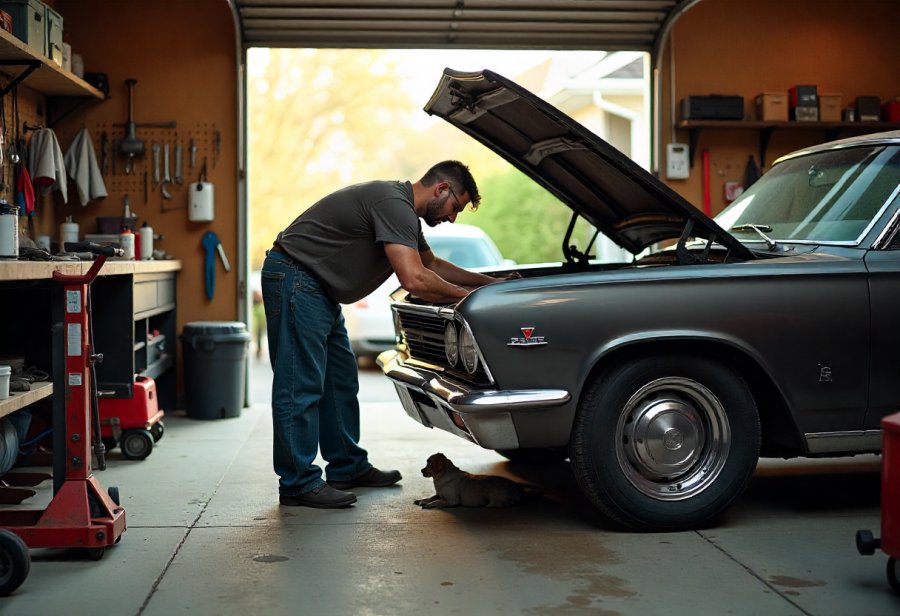
A trusted local garage often knows your car’s history better than anyone else. Mechanics who see the same vehicles regularly develop an intuitive understanding of common issues, allowing them to catch early signs of wear before problems escalate. This personalized approach can prevent costly repairs down the line and extend your vehicle’s lifespan. Plus, smaller shops generally offer more flexibility in pricing and turnaround times, making routine maintenance more straightforward.
On the other hand, large chains invest heavily in diagnostic equipment and ongoing staff training. This technological edge enables them to diagnose complex electronic problems accurately and quickly, which is especially important for newer vehicles. Their standardized procedures and nationwide warranties also provide reassurance—no matter where you are, you can expect a consistent level of service and quality.
The core difference isn’t just in the services offered but in the trust you build. A small, local garage often fosters a relationship where the mechanic truly understands your vehicle’s unique needs. This familiarity encourages proactive maintenance and early problem detection. Conversely, chain stores might lack that continuity, but they compensate with modern tools and a broad network that can support your vehicle’s health across different locations.
Choosing between a small or large garage hinges on your vehicle’s age, complexity, and your personal preferences. Whether it’s the personalized touch of a neighborhood shop or the technological precision of a large chain, the key is selecting a provider committed to quality, transparency, and consistent service.
In the end, a well-chosen garage—small or big—is an investment in your car’s future. It’s about building trust with technicians who prioritize your vehicle’s long-term health, ensuring you’re safe on the road for many miles to come.
Building a Solid Foundation: Essential Auto Maintenance Knowledge
Understanding the basics of auto maintenance helps clarify how different garages impact your vehicle’s long-term health. Regular upkeep involves simple yet vital tasks like oil changes, brake inspections, tire rotations, and fluid top-offs. When performed correctly, these routine services keep your car running smoothly and help prevent more serious, costly issues down the road. They form the foundation of a vehicle that remains reliable, safe, and efficient for years to come.
In recent years, diagnostic technology has become a game-changer in auto repair. Modern vehicles are equipped with complex electronic systems that require specialized tools to identify problems accurately. Advanced scanners and manufacturer-specific software allow technicians to quickly pinpoint issues that aren’t obvious through visual checks alone. This precision reduces the risk of misdiagnosis and ensures repairs are done right the first time, which is crucial for preserving your car’s longevity.
Service standards vary, but reputable garages typically follow established guidelines and industry best practices. Small, independent shops often adhere closely to manufacturer recommendations to maintain trust and quality. Large chains invest heavily in ongoing staff training and standardized procedures, ensuring consistent service across multiple locations. This consistency helps prevent mistakes and guarantees that repairs meet high standards, supporting your vehicle’s long-term health.
The evolution of auto repair reflects a balance between experience and technology. Small garages, often rooted in local communities, have expanded their skills by adopting diagnostic tools and specialized training. At the same time, large chains emerged to bring efficiency, uniformity, and access to the latest technology. Both models now play crucial roles, each offering strengths that can benefit different types of vehicles and owners.
Technician certification plays a key role in repair quality. Certified mechanics undergo rigorous training and testing, confirming their expertise in current vehicle systems. Whether working in a small shop or a large chain, certified technicians are more likely to perform accurate, lasting repairs. Their credentials serve as a mark of quality, giving you confidence that your car is in capable hands.
By grasping these core concepts—routine maintenance, diagnostic advancements, service standards, and technician expertise—you can better evaluate garages and make informed decisions. This knowledge ensures your vehicle receives the right care, supporting its performance and reliability over many years, regardless of where you choose to have it serviced.
Experience Top-Quality Auto Care at Beck Automotive Services in Thornhill
For residents of Thornhill, Ontario, Beck Automotive Services is your trusted destination for comprehensive vehicle care. Whether you need auto repair, oil change service, brake repair, or engine and transmission repairs, Beck Auto offers reliable solutions tailored to your needs. Their expert team also provides car diagnostic services, tire replacements, and vehicle maintenance to ensure your ride remains in optimal condition. Additionally, Beck Automotive Services specializes in used car sales, making it easier to find your perfect vehicle. When searching for professional vehicle service, choose Beck Auto for quality, affordability, and top-notch customer care. Contact them today at beckauto@rogers.com or call (416) 222-6583 to schedule your appointment or learn more about their services.
Long-Term Care Unveiled: How Garage Type Shapes Vehicle Health
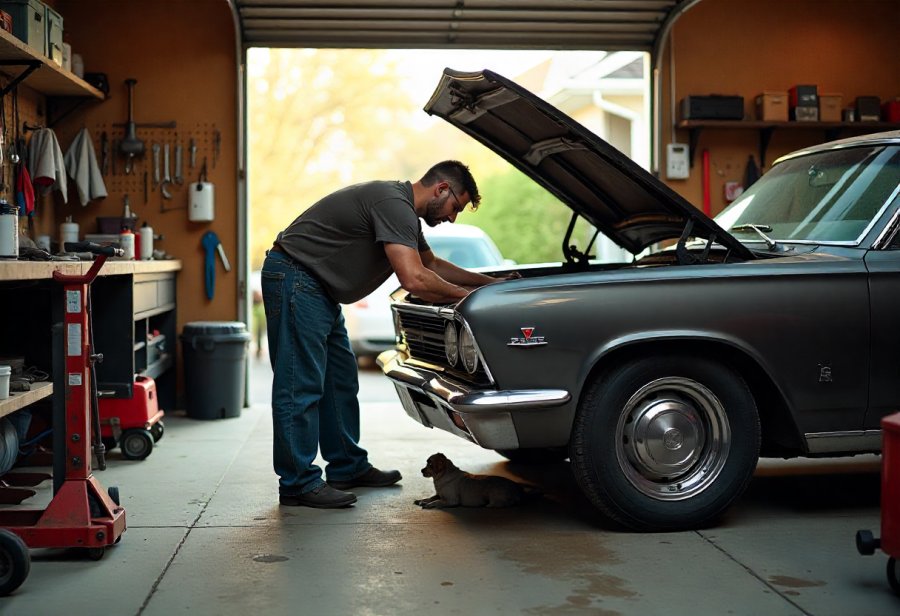
Over time, the approach a garage takes to vehicle maintenance can significantly shape a car’s long-term health. Data from various case studies show that vehicles serviced regularly at small, trusted garages tend to develop fewer major issues over the years. These shops often foster close relationships with their customers, encouraging owners to bring in their cars for routine check-ups and early problem detection. When mechanics are familiar with a vehicle’s history, they can spot subtle signs of wear or emerging issues before they turn costly, helping to prevent major repairs and extend the vehicle’s lifespan.
In contrast, large chain service centers excel at diagnosing and fixing complex problems swiftly. Their investment in advanced diagnostic equipment allows technicians to identify issues with precision and efficiency, often catching problems before they escalate into costly breakdowns. This technological advantage is especially valuable for newer vehicles with electronic systems that demand specialized tools. However, the impersonal nature of chains, coupled with high staff turnover, can lead to inconsistencies in long-term care, as the same mechanic might not work on your car repeatedly. This can sometimes result in missed early warning signs or less personalized attention to your vehicle’s unique needs.
Personalized service at small garages isn’t just about familiarity; it fosters a deeper understanding of each vehicle’s specific requirements. Mechanics who work on the same car over time develop an intuitive sense of what might be wrong and can tailor maintenance accordingly. This ongoing relationship encourages more frequent, targeted interventions, which help keep cars running smoothly over many years. When owners trust their mechanic’s judgment and follow recommended maintenance schedules, they often see a direct benefit in their vehicle’s reliability and longevity.
Meanwhile, the standardized procedures of large chains aim to maintain consistent quality across locations. Their investment in the latest diagnostic tools and manufacturer-specific protocols helps ensure accurate repairs and reduces the risk of misdiagnosis. Yet, this approach can sometimes come at the expense of personalized attention, with staff rotation and high-volume service making it harder to develop the same level of familiarity as in a small shop. While these repairs are often reliable, the lack of ongoing personal relationships may impact the long-term health of your vehicle, especially if issues are subtle or require ongoing monitoring.
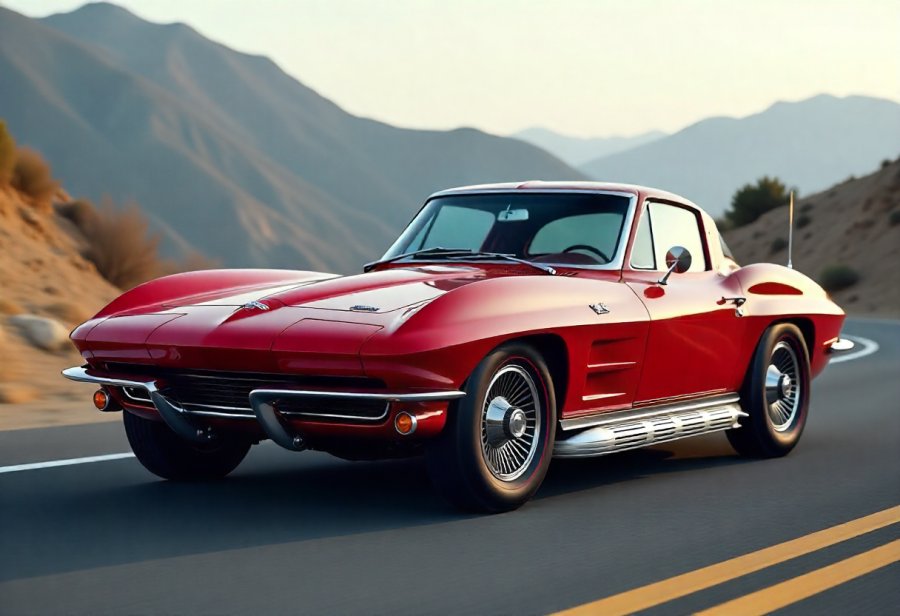
Choosing the right type of garage depends on your vehicle’s age, complexity, and your priorities. Small, local garages often excel at providing tailored care, especially for older or classic cars, by leveraging their deep knowledge of individual vehicles. Large chains, on the other hand, are better suited for newer models with complex electronic systems that benefit from high-tech diagnostics. Both can support your car’s longevity if they emphasize technician certification, transparent communication, and consistent service. The key is trusting a provider who values quality and long-term care over quick fixes, ensuring your vehicle remains dependable mile after mile.
Making Informed Choices: Practical Tips for Vehicle Owners
For vehicle owners, choosing where to get your car serviced goes beyond convenience—it directly affects its long-term health. If you own an older or classic vehicle, a small, trusted garage that knows your car’s history and offers personalized attention can be a real asset. These local shops often build strong relationships with their customers, making routine maintenance and early diagnostics more accessible and effective at preventing bigger issues down the line.
For newer models with complex electronic systems, a large chain with advanced diagnostic tools and standardized procedures might provide greater peace of mind. These garages typically have the latest technology and manufacturer-approved repair protocols, which are crucial for maintaining high-tech vehicles. Their nationwide warranties also offer reassurance if you travel or move frequently, ensuring consistent quality no matter where you are.
Budget considerations are also important. Small garages usually have lower overhead costs, often translating into more competitive pricing and flexible options. Many independent shops are willing to negotiate or customize services to suit your needs, making routine tasks like oil changes or brake inspections more straightforward and affordable. Their proximity and quick turnaround times mean less hassle and more convenience for ongoing maintenance.
Trust and transparency should guide your choice. Visiting a local garage often means speaking directly with the mechanic who will work on your car, fostering a relationship based on familiarity and trust. Mechanics who understand your vehicle’s history can provide tailored advice and spot issues early, helping you avoid costly repairs later. In contrast, interactions at large chains tend to be more transactional, with service advisors managing repairs and less personalized attention.
Look for certified technicians, clear written estimates, and positive reviews when selecting a garage. A provider committed to professionalism and honesty will deliver better long-term results for your vehicle. Building a relationship with a mechanic you trust—whether local or nationwide—ensures your car receives consistent, attentive care that supports its reliability and safety over many years.
Deciding between a small or large garage doesn’t have a one-size-fits-all answer. It depends on your vehicle’s age, complexity, and your priorities. For older or classic cars, the personalized approach of a local shop often proves most beneficial. For newer, technologically advanced vehicles, the diagnostic precision and warranties of a large chain can be invaluable. Whichever path you choose, prioritize quality, transparency, and ongoing trust to keep your car running smoothly for miles to come.
Future Trends in Auto Care: Insights and Innovations for Vehicle Longevity
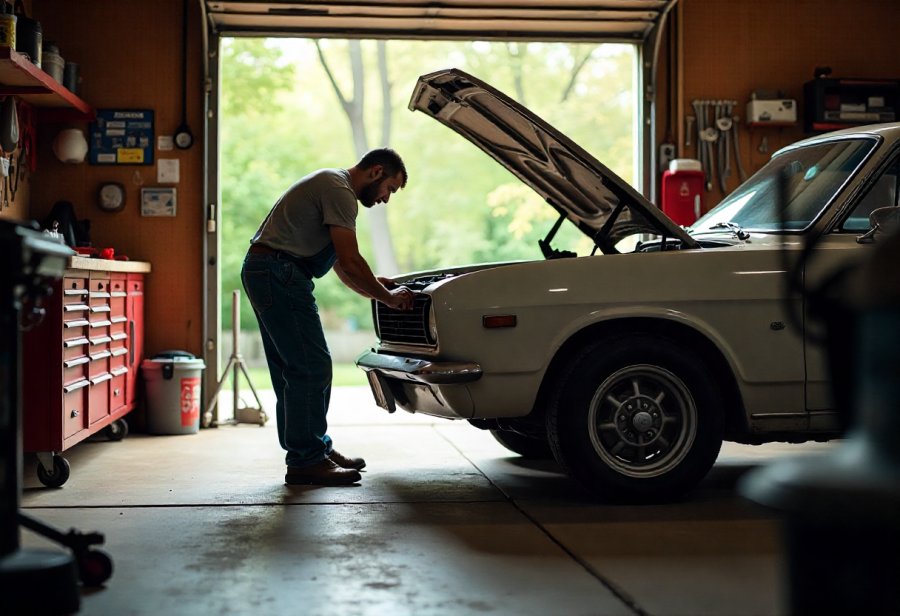
As auto repair continues to evolve, the importance of choosing the right garage for your vehicle’s long-term health becomes clearer than ever. Small, community-based garages often build trust through personalized service and deep familiarity with their customers’ cars. This relationship encourages early problem detection and tailored maintenance, helping extend a vehicle’s lifespan and prevent costly breakdowns. Meanwhile, large chains leverage advanced diagnostic technology and standardized procedures to deliver consistent quality across locations. Their technological edge is especially beneficial for newer, high-tech vehicles that demand precise electronic diagnostics.
Emerging trends are making it easier for drivers to make informed decisions. Online reviews, certification databases, and digital reputation tools provide transparency, helping owners assess a garage’s reputation regardless of size. Many shops now openly share detailed repair histories and technician credentials upfront, fostering trust and confidence. As vehicle technology advances—especially with electric and hybrid models—garages will need to invest in specialized training and equipment. Those who adapt quickly will be better positioned to meet the demands of modern vehicles while maintaining high standards of quality and reliability.
Both small garages and large chains play vital roles in supporting long-term vehicle health. Independent shops excel at providing personalized attention and understanding individual cars’ histories, which is crucial for classic or older models. Their flexibility and proximity often translate into more accessible routine maintenance. Conversely, chains’ investment in state-of-the-art diagnostics and nationwide warranties can be a decisive advantage for owners of newer or complex vehicles, especially if they travel frequently. The key lies in selecting a provider that prioritizes transparency, technician certification, and consistent service, regardless of size.
Trust remains the cornerstone of good auto care. Reputable shops—be they small or large—focus on skilled technicians, clear communication, and honest practices. Certifications from recognized industry bodies serve as a mark of expertise that directly impacts your vehicle’s durability and performance. Reading reviews and seeking recommendations can help identify garages that truly deliver on their promises. Building a relationship with a mechanic you trust ensures your car receives attentive, reliable care over the years, which is essential for maintaining safety, efficiency, and peace of mind.
Looking ahead, technological advancements and increasing vehicle complexity will continue to shape the industry. Garages that embrace ongoing training, invest in innovative diagnostic tools, and prioritize transparency will stand out. As electric and hybrid vehicles become more prevalent, specialized skills and equipment will be crucial for maintaining long-term reliability. The ability of a garage to adapt to these changes will determine its capacity to serve drivers well into the future. In this landscape, the best choice remains a provider committed to quality, honesty, and continuous improvement—building trust that lasts through miles and years to come.