In an era where home security has evolved beyond traditional locks and alarms, cutting-edge integrated systems offer unprecedented control and peace of mind. With remote access to cameras, smart locks, and sensors, homeowners can monitor, respond, and manage their safety from anywhere, transforming security into an active, proactive shield. But how reliable are these digital solutions amid cyber threats, system glitches, or human error? Industry experts emphasize the importance of combining advanced technology with traditional safeguards and professional monitoring to create a layered defense. Future innovations like AI-driven analytics, facial recognition, and faster connectivity promise smarter, more intuitive homes—yet challenges remain. Will these advancements truly safeguard families in unpredictable times, or do they introduce new vulnerabilities? As technology accelerates, staying informed, engaged, and resilient becomes essential for building a security system that adapts seamlessly to modern lifestyles and emerging threats.
Transforming Home Safety: The Rise of Smart, Remote-Controlled Security
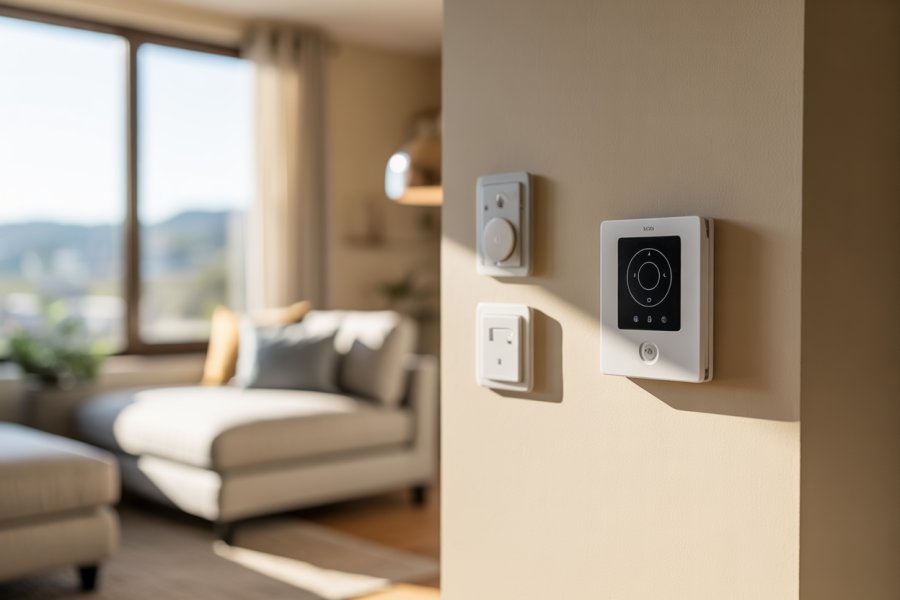
Home security has transformed dramatically over recent years, moving beyond simple locks and loud alarms. Today’s homes are equipped with smart, connected devices that offer a new level of control and peace of mind. Advances in wireless technology and the internet have made it possible to monitor and manage security systems remotely, turning homes into highly integrated safety networks. No longer are security measures confined to a fixed alarm panel; now, homeowners can view live camera feeds, lock doors, or receive instant alerts from anywhere in the world with just a few taps on a smartphone or tablet.
This evolution reflects a broader shift toward more tech-savvy households that prioritize convenience and real-time control. Modern systems seamlessly combine cameras, sensors, and smart locks into an interconnected ecosystem that can be customized to fit individual needs. For example, exterior lights can be programmed to turn on when motion is detected, or alerts can be sent if a door opens unexpectedly. These features enhance safety while making daily routines simpler and more efficient, blending traditional security with modern technology.
Remote control stands at the core of these advancements, allowing homeowners to stay connected and responsive at all times. Whether checking on children, verifying visitors, or deterring potential intruders, instant access to live feeds and system controls means safety isn’t limited to when you’re at home. Instead, it’s a continuous, proactive shield that adapts to the unpredictable nature of today’s world. This shift from passive to active security has become essential as threats grow more sophisticated and households become more mobile.
Understanding how these innovations fit into the bigger picture is key to appreciating their significance. Modern home security isn’t just about reacting to incidents—it’s about preventing them before they happen, with systems that learn, adapt, and respond intelligently. As technology continues to evolve, these solutions will become even more intuitive and integrated, providing families with a smarter, more resilient way to protect what matters most. In this ever-changing landscape, staying informed and leveraging the latest tools is the best way to ensure your home remains safe and secure.
Core Elements of Modern Home Security Systems
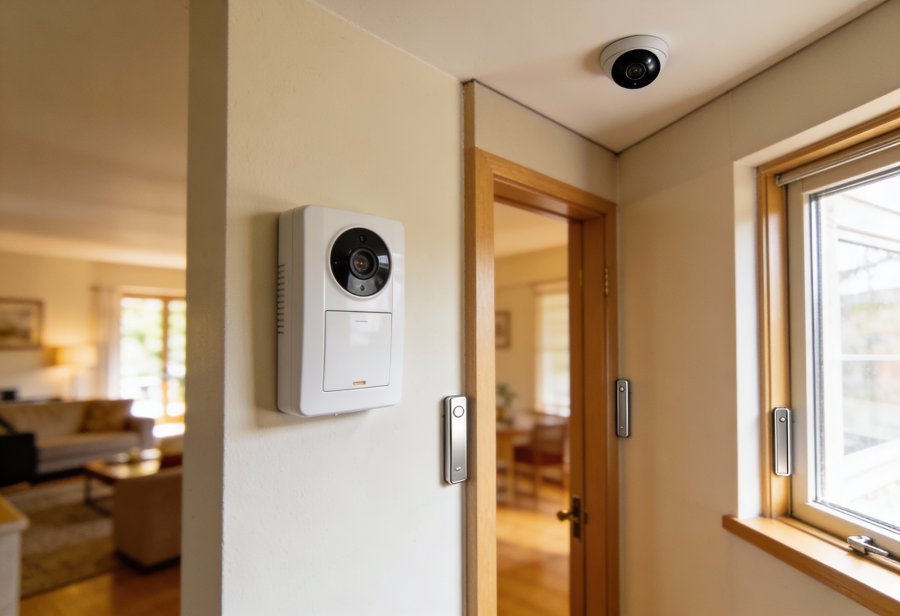
Modern home security systems are built around a few core components that work together to protect your property effectively. Cameras are a central element; they serve both as a visual deterrent and as a tool to gather evidence if something happens. Today’s smart surveillance cameras can be accessed remotely, allowing homeowners to check live feeds from their phones or computers at any time. This instant access makes it easier to spot suspicious activity early and respond quickly, whether it’s a package theft or an attempted break-in.
Sensors and detectors form the backbone of most security setups. Door and window sensors alert you if someone tries to enter without permission, while motion detectors monitor activity inside and outside your home. Glassbreak detectors add an extra layer of protection by triggering alarms if a window is shattered. These sensors are often linked to alarm systems that send immediate alerts, giving homeowners a chance to act before a situation escalates. When integrated properly, they create a comprehensive safety net that’s both proactive and reactive.
Smart access controls have revolutionized how we manage entry to our homes. Wireless locks, biometric scanners, and digital keypads let you control who can enter, and when, all remotely. These systems also log access, providing detailed records of who entered and when—ideal for families, service providers, or visitors. Beyond security, many smart locks integrate with home automation systems, allowing you to automate routines such as turning on lights or adjusting thermostats when someone arrives or leaves, making security seamless and more convenient.
In Experience the Future of Home Security with Smart, Connected Systems, Ki Wood examines this topic further on Kaslo Crier.
When these components are interconnected through a smart home platform, their power multiplies. Automated routines can be set up to turn on exterior lights when motion is detected, lock doors at preset times, or activate cameras when an alarm is triggered. This interconnected setup simplifies daily routines while enhancing security, creating a responsive environment that adapts to your household’s needs. Managing these systems remotely means you maintain control no matter where you are—at work, on vacation, or just running errands.
While digital components offer great flexibility, they also introduce vulnerabilities. Cybersecurity threats, such as hacking or system breaches, are real risks that require careful management. Power outages or software glitches can temporarily disable features, underscoring the importance of a layered approach. Combining these modern digital tools with traditional safety measures and professional monitoring services ensures a resilient, comprehensive security strategy that keeps your home protected at all times.
Secure Your Markham Property with F.I.S.T Security’s Expertise
F.I.S.T Security is a trusted Canadian-owned and operated security company proudly serving Markham, Ontario. With a reputation built on reliability and going the extra mile, FIST Security offers comprehensive security solutions including intruder detection, card access systems, CCTV, alarm monitoring, remote video surveillance, lighting, and environmental controls. One of their standout services is the installation of advanced intercom systems, ensuring seamless communication and access control for your property. Whether you need enhanced security for residential or commercial sites, F.I.S.T Security is committed to exceeding client expectations. For reliable security solutions tailored to your needs, contact them at [email protected] or call 416.755.4233 today.
Real-Life Applications of Remote Security in Everyday Homes
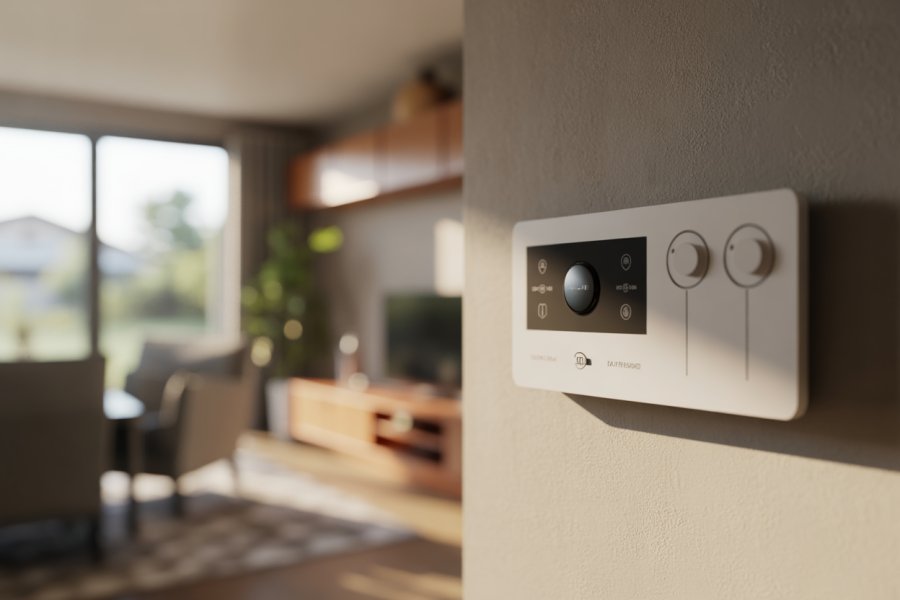
Remote-controlled security systems have become an integral part of everyday household life, offering a level of convenience and safety that was hard to imagine a decade ago. With a few taps on a smartphone app, homeowners can monitor live camera feeds, lock or unlock doors, and adjust alarm settings from anywhere—be it at work, running errands, or on vacation. This instant access transforms home security from a passive safeguard into an active management tool, allowing families to respond swiftly to potential issues and stay connected to their homes in real time.
Many households customize their security setups based on their routines and specific needs. Some start with simple systems—like a few sensors and a camera—providing peace of mind at an affordable price. Others opt for comprehensive packages that include multiple cameras, smart locks, and motion detectors to cover larger or more vulnerable areas. This flexibility enables homeowners to tailor their security environment, making it both effective and manageable. Managing these systems remotely is straightforward thanks to user-friendly apps, ensuring that even complex setups don’t become overwhelming.
The practicality of remote control becomes evident in real-world scenarios. When an alert signals motion outside, homeowners can quickly check the camera feed to identify whether it’s a delivery, a visitor, or something suspicious. They can then lock doors or activate additional security measures if needed, all without leaving their current location. This rapid response capability acts as a deterrent for intruders and helps prevent incidents from escalating, providing a sense of control and reassurance that traditional security methods couldn’t match.
However, relying solely on remote-controlled systems isn’t without risks. Cybersecurity threats like hacking can compromise connected devices, while technical glitches or power outages may temporarily disable access. User errors—such as forgetting to lock a door or misconfiguring settings—also pose vulnerabilities. Combining these digital tools with traditional security measures, like physical locks and neighborhood watch programs, alongside professional monitoring, creates a layered approach that minimizes weaknesses and enhances overall safety.
The topic is expanded upon in Transform Your Home Security with Smart Connected Solutions, an article by Jens Williams on Blog Story Lines.
Overall, the practical deployment of remote-controlled security systems demonstrates how technology can seamlessly integrate into daily life, boosting safety and convenience. When installed thoughtfully and maintained responsibly, these systems empower families to stay vigilant, respond proactively, and manage their security from anywhere. They turn home protection into a dynamic, adaptable process—an essential tool in today’s unpredictable world.
Expert Insights: Strategies and Future Trends in Home Security
Industry professionals agree that the key to effective home security today lies in balancing advanced technology with solid strategic planning. Choosing systems that are both feature-rich and user-friendly, while ensuring they are regularly maintained, is crucial for long-term safety. Reputable brands with strong cybersecurity measures are essential, as creating strong passwords, enabling two-factor authentication, and keeping firmware updated significantly reduce vulnerabilities. These practices help protect homes from the increasing sophistication of digital threats.
Experts emphasize that integrating security devices with professional monitoring services adds a vital layer of reliability. Having trained security personnel overseeing your system around the clock ensures rapid responses to alerts, even if technical issues or cyberattacks occur. This human element complements digital solutions, making the overall security setup more resilient and adaptable to different threat scenarios. It transforms a purely automated system into a comprehensive safety network that’s ready to respond effectively at all times.
Ongoing education is another cornerstone of robust home security. Staying informed about emerging threats, new device features, and cybersecurity best practices allows homeowners to maximize their investments. Regularly reviewing system settings, testing alarms, and applying software updates keep the system resilient against evolving risks. Homeowners who actively manage their security systems tend to be better prepared and more confident in their household’s safety, turning technology into an empowering tool rather than a set-it-and-forget-it solution.
Looking to the future, industry insiders see a move toward smarter, AI-driven security ecosystems. These advanced systems analyze household routines and detect anomalies before they escalate into incidents. Cameras equipped with facial recognition or activity pattern analysis can flag unusual behavior, reducing false alarms and streamlining responses. This proactive approach shifts security from reactive to preventative, making homes more intuitive and less dependent on manual intervention, which aligns with busy modern lifestyles.
Top Stories Worth Reading hosts a related piece by Harry Smith called Revolutionizing Home Security with Smarter, Connected Solutions.
Despite these innovations, experts acknowledge that no system is completely foolproof. Cyber threats, system failures, and user errors still pose risks. Combining cutting-edge digital tools with traditional safeguards—like physical locks, neighborhood watch programs, and professional monitoring—remains essential. Maintaining this layered approach ensures that even if one element falls short, others will step in to keep the household protected. Staying proactive with regular updates and continuous education is vital for keeping security systems effective amid a landscape of ever-changing challenges.
Looking Ahead: Innovations and Challenges in Home Security Technology
As home security technology continues to advance, the future promises smarter, more integrated systems that adapt proactively to household needs. Artificial intelligence and machine learning are set to revolutionize how homes respond to potential threats, learning routines and detecting anomalies before incidents occur. Cameras capable of facial recognition and activity pattern analysis will help reduce false alarms, making security more reliable and less intrusive.
The expansion of 5G connectivity and the rise of the Internet of Things will further enhance system responsiveness. Faster, more stable communication between devices will enable instant streaming of high-definition footage and real-time alerts. With these improvements, homeowners will be able to manage their security more seamlessly, regardless of location or device, creating a resilient safety network that keeps pace with modern lifestyles.
Cybersecurity will remain a key focus as more devices come online. Future systems will incorporate stronger encryption, privacy features, and adaptive defenses to protect personal data and prevent hacking attempts. Building trust in connected home security will depend on continuous innovation in safeguarding user information, ensuring that protection doesn’t come at the expense of privacy.
User interfaces are expected to become more intuitive, with voice commands and smart assistants playing a central role. Managing security through simple voice prompts or automated routines will make control effortless for users of all ages. This hands-free approach will integrate security into daily routines, making safety feel natural and unobtrusive.
Despite technological leaps, challenges will persist. Cyber threats, system failures, and human errors cannot be entirely eliminated. A layered security approach—combining digital solutions, traditional physical safeguards, and professional monitoring—remains essential. This comprehensive strategy ensures that even if one element falters, others will step in to maintain household safety.
Ongoing maintenance and staying informed about emerging threats will be vital. Regular updates, system checks, and education will help families maximize their security investments and adapt to new risks. Viewing security as a continuous process rather than a one-time setup will be key to staying ahead in an unpredictable environment.
Ultimately, the goal is to create security ecosystems that are not only smarter but also more adaptable and trustworthy. These systems will anticipate issues and act preventively, giving families confidence in their safety. Staying engaged and proactive will be crucial as technology evolves, ensuring that home security remains a reliable shield against the uncertainties of tomorrow.