Probiotics are often hailed as a natural solution for supporting digestive health, but are their benefits truly universal or are their limitations more significant? This exploration delves into how these live microorganisms—found in fermented foods and supplements—can restore gut balance, reduce bloating, and bolster immunity. Yet, individual responses vary widely, with some experiencing side effects like gas or discomfort, and others seeing little benefit. The science supporting their broader health claims remains evolving, and not all products are created equal, raising questions about quality and regulation. As the popularity of probiotics skyrockets, so does the push for personalized formulations tailored to individual microbiomes. Will future innovations provide more reliable, targeted options? Or will the promise of probiotics remain an optimistic but imperfect strategy? This balance of hope and skepticism invites readers to reconsider how they integrate probiotics into their overall wellness journey.

Unlocking the Secrets of Probiotics and Gut Balance
Probiotics are live microorganisms, often called “good bacteria,” that are believed to support digestive health by restoring balance in the gut microbiome. These beneficial microbes are commonly found in fermented foods like yogurt, kefir, sauerkraut, and kimchi, as well as in dietary supplements. The concept is simple: by introducing helpful bacteria into your gut, you might improve digestion, reduce bloating, and promote regular bowel movements.
Many people turn to probiotics because they’re seen as a natural way to boost overall wellness. The idea is that maintaining a healthy balance of gut bacteria can also support immune function and help manage common digestive issues. Scientific studies support some of these claims, showing that probiotics can help reduce diarrhea caused by infections or antibiotics, and aid in bowel regularity. However, not all strains are equally effective, and individual responses can vary widely.
It’s worth noting that probiotics aren’t a one-size-fits-all solution. Their effects depend heavily on the specific strains used, the dosage, and your own gut microbiome. Some people may see noticeable improvements, while others might experience little to no change or mild side effects like gas and stomach discomfort, especially in the first few days. People with weakened immune systems or underlying health conditions should be cautious and consult their healthcare providers before adding probiotics to their routines.
The popularity of probiotics has grown alongside a better understanding that their benefits are complex and nuanced. They are best viewed as a supportive tool rather than a cure-all. Their potential extends beyond digestion, with some research suggesting they can bolster immune responses and overall health. Still, the science behind these broader effects is evolving, and more evidence is needed to fully understand how probiotics influence long-term well-being.
This ongoing exploration highlights the importance of using probiotics thoughtfully. They can be a helpful addition to a balanced diet rich in fiber and fermented foods but shouldn’t replace healthy habits or medical treatments when necessary. Recognizing their limitations and individual variability encourages a realistic, personalized approach—one that emphasizes moderation and informed choices as part of a broader strategy for maintaining digestive health.
The Real Benefits and Limitations of Probiotics
Probiotics are often praised for their ability to support digestive health by helping maintain a balanced gut microbiome. When the good bacteria in your gut are in harmony, digestion tends to be smoother, and symptoms like bloating, gas, or irregularity can decrease. Many people find relief after adding probiotics, especially if they’ve experienced gut disruptions from antibiotics, stress, or poor diet. Strains like Lactobacillus and Bifidobacterium are well-known for replenishing beneficial bacteria and aiding nutrient absorption, which contributes to overall well-being. Some scientific studies support these benefits, showing that probiotics can help reduce diarrhea—particularly antibiotic-associated diarrhea—and improve bowel regularity in many cases.
However, probiotics aren’t a guaranteed fix for everyone. Their effectiveness depends heavily on the specific strains used, the dosage, and individual factors like your existing gut microbiome. Not all strains work the same way, and benefits can vary widely from person to person. Some users experience mild side effects, such as bloating, gas, or stomach upset early on. These symptoms usually fade as your body adjusts, but they can be discouraging if expectations aren’t managed. People with weakened immune systems or serious health conditions should be cautious and consult healthcare providers before starting probiotics, as there’s a small risk of adverse reactions or infections in vulnerable populations.
Beyond digestion, some research suggests that probiotics might support immune function by strengthening the gut’s barrier and promoting beneficial immune responses. While these potential benefits are promising, they aren’t guaranteed, and scientific evidence is still emerging. The variability in individual responses makes it clear that probiotics are more of a supportive tool rather than a cure-all. They can complement a healthy lifestyle that includes a diet rich in fiber and fermented foods, but they shouldn’t replace other core health practices.
Probiotic limitations are also worth noting. Some people experience side effects like increased gas, bloating, or mild stomach discomfort initially, but these reactions are usually temporary. Additionally, the scientific backing for specific strains for certain conditions remains inconsistent, and many products on the market lack transparency about strains, CFU counts, or clinical testing. Choosing reputable brands with well-documented strains and proper storage is crucial to ensure effectiveness. For individuals with health concerns, consulting a healthcare professional before use helps prevent potential complications.
While probiotics can be a helpful addition to your health routine, they aren’t a magic fix. Their benefits tend to be subtle and often require consistent, long-term use to see meaningful results. Recognizing these limits helps set realistic expectations and encourages a balanced approach—viewing probiotics as part of a broader strategy that includes good nutrition, regular exercise, and medical guidance. This perspective ensures you use probiotics thoughtfully, maximizing their potential without relying on them exclusively.

Probiotics in Modern Health: Trends and Practices
Today, probiotics have moved from the health food niche into mainstream grocery stores and supplement aisles, reflecting their rising popularity. Many consumers now see them as a straightforward, natural way to support digestion and overall wellness, often equating them with daily essentials like vitamins. This shift has led to a flood of products claiming to promote gut health—ranging from flavored drinks to capsules and powders—creating a broader cultural belief that probiotics are almost a universal solution. As a result, public perception is increasingly positive, with many believing that simply adding probiotics to their routine can lead to noticeable health benefits.
The scientific community’s response has been equally active, with research efforts focused on identifying specific strains that deliver clear, measurable advantages. Strains like Lactobacillus acidophilus and Bifidobacterium bifidum are frequently highlighted, appearing in both food sources and supplements. However, the evidence remains mixed, prompting healthcare professionals to adopt a more cautious stance. They now emphasize selecting products with well-documented strains and appropriate dosages, discouraging reliance on vague claims or low-quality options. This move toward evidence-based advice aims to help consumers make smarter, more informed choices.
Manufacturers are also exploring personalized probiotic formulations tailored to individual needs, such as digestive comfort, immune support, or even mental health. This trend aligns with a growing understanding that each person’s microbiome is unique, making generic solutions less effective. Yet, many products still lack transparency about strain identities, CFU counts, or clinical testing, which complicates consumer decision-making. Calls for stricter regulation and clearer labeling are gaining momentum, aiming to ensure quality and safety across the board.
Regulatory standards vary widely around the world, adding to the complexity of choosing reliable products. In some regions, probiotics are classified as food supplements, meaning they don’t undergo rigorous testing like medicines. This can result in inconsistencies in product quality, with some brands offering high CFU counts but questionable strain viability or contamination risks. Consumers often rely on brand reputation or third-party testing to navigate these uncertainties, highlighting the need for better oversight. As the industry evolves, tighter standards and more transparent labeling are expected to improve trust and efficacy.
Public attitudes toward probiotics continue to evolve, with many now viewing them as a foundational part of health—akin to vitamins or dietary fiber. While some users report clear benefits from regular use, others see minimal change, fueling ongoing debates about strain selection, dosing, and whether probiotics are worthwhile investments for everyone. Experts caution against viewing them as a cure-all, emphasizing that probiotics are most effective when combined with a balanced diet, regular exercise, and medical guidance. As scientific understanding deepens, future probiotic options will likely become more personalized, reliable, and aligned with individual health needs.
Practical Tips to Incorporate Probiotics into Your Daily Routine
Incorporating probiotics into your daily routine can be simple and adaptable to your lifestyle. Starting with probiotic-rich foods such as yogurt, kefir, sauerkraut, or kimchi offers a natural way to support your gut health without much effort. These foods not only introduce beneficial bacteria but also provide fiber and nutrients that boost overall wellness. Making them a regular part of meals—like adding yogurt to breakfast or fermented vegetables to sandwiches—can seamlessly integrate probiotics into your diet.
For targeted support, especially during times of stress, illness, or after antibiotics, supplements can provide a more concentrated dose of specific strains tailored to your needs. They are convenient for busy days or when traveling, helping you maintain consistent probiotic intake. Taking them regularly, whether daily or a few times a week, enhances the likelihood of noticing benefits over time. Consistency helps your gut microbiome adapt and thrive, making probiotics more effective.
Timing your probiotic intake can influence how well they work. Some strains are best taken with meals, as food can protect the bacteria from stomach acid, allowing more of them to reach your intestines alive. Others may be more effective on an empty stomach. Following product instructions or observing how your body responds can help you identify what works best. Making taking probiotics part of your routine—perhaps with a specific meal or time of day—encourages long-term adherence.
Choosing high-quality products is essential. Look for reputable brands that specify strains and CFU counts, and check storage instructions to keep bacteria viable. Not all probiotics are equally effective; some may not survive the journey through your digestive tract. Combining probiotic foods with supplements from trusted sources provides a balanced approach, ensuring you get the most benefit.
Pairing probiotics with other healthy habits amplifies their effects. Maintaining a diet high in fiber, staying well-hydrated, managing stress, and exercising regularly support a vibrant gut microbiome. Probiotics work best when integrated into an overall lifestyle focused on health, not as a standalone fix. This holistic approach maximizes benefits and fosters a resilient digestive system.
Before starting any new supplement regimen, especially if you have underlying health conditions or immune concerns, consulting a healthcare professional is wise. They can recommend appropriate strains and dosages, helping you avoid potential side effects or interactions. Tailoring probiotic use to your individual health profile ensures safety and effectiveness.
By making probiotics a natural, consistent part of your daily life, you support your digestive health without overcomplicating things. Whether through food or supplements, regularity and quality are key. This balanced approach helps you realize their potential benefits while maintaining realistic expectations, creating a sustainable foundation for better gut health as part of your overall wellness routine.
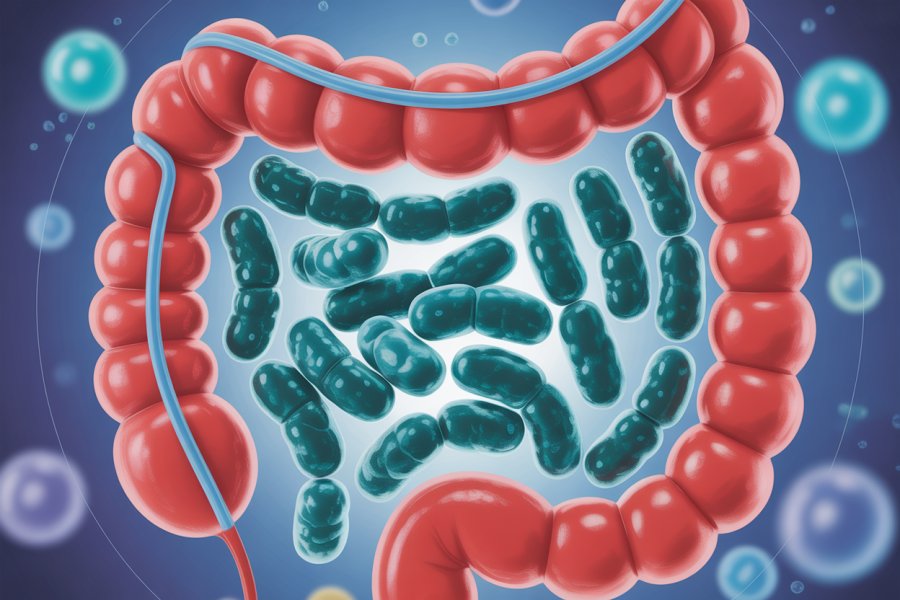
Looking Ahead: The Future of Probiotics and Digestive Wellness
The future of probiotics in supporting digestive health looks promising, especially as scientific understanding deepens and technology advances. We’re moving toward more personalized approaches, where treatments are tailored to an individual’s unique microbiome. Instead of a one-size-fits-all solution, future probiotics could be designed specifically for your gut’s profile, maximizing their effectiveness. Microbiome sequencing and other innovations are making this personalized medicine increasingly feasible, helping identify which strains will deliver the most benefit for each person.
Alongside this shift, improvements in delivery methods are emerging. Encapsulation techniques and fortified foods aim to protect beneficial bacteria as they pass through the stomach, ensuring more of them reach the intestines alive and ready to colonize. These developments could make probiotic products more reliable and consistent, addressing current concerns about bacteria survival and efficacy. As a result, consumers may soon have access to formulations that deliver predictable, measurable benefits, building greater trust in probiotic products.
Regulation and transparency are also set to improve. Expect stricter standards with clearer labeling—detailing strain identities, CFU counts, and evidence of clinical testing. Such transparency will help consumers make more informed choices and differentiate high-quality products from less effective ones. This move toward accountability will not only boost confidence but also foster innovation, encouraging brands to invest in research-backed formulations that prioritize safety and efficacy.
While these advancements hold great promise, they also come with challenges. Microbiome science is still evolving, and fully understanding the long-term impacts of engineered or highly specific strains remains a work in progress. Individual responses will continue to vary based on genetics, diet, and health conditions, reminding us that probiotics are part of a broader health picture. Future strategies will likely integrate probiotics into comprehensive wellness plans rather than relying on them as standalone solutions.
Ultimately, probiotics are poised to become more refined and personalized tools that support not just digestion but overall well-being. As research progresses, we can expect smarter, safer options that address multiple aspects of health beyond the gut. Staying informed about these developments will help consumers and healthcare providers adapt routines and make choices rooted in science. Embracing this evolving landscape offers the potential for probiotics to play a key role in holistic health, helping us unlock their full benefits in smarter, more targeted ways.